In Remembrance
AERE honors the memory of those who have contributed to our Association and the field of environmental and natural resource economics. We invite colleagues, friends, and family members to submit potential honorees for inclusion on this page. Submissions will be reviewed to confirm that the individual was involved with AERE or the broader field, and that they are not known to have violated AERE’s Code of Conduct. Approved honorees will be added to this page as a lasting tribute.
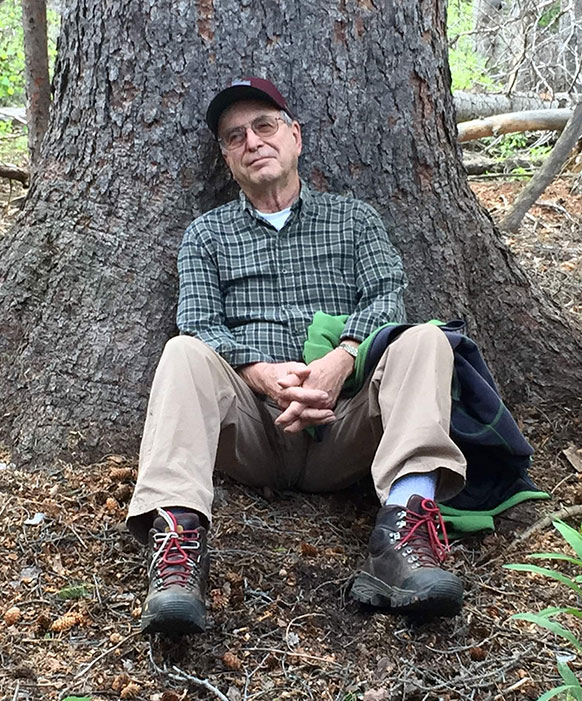 |
Thomas D. Crocker (d. June 7, 2026)
Thomas Crocker was a professor emeritus of economics at the University of Wyoming and a foundational figure in the development of environmental and resource economics. He joined UW's faculty in 1975 after appointments at the University of Wisconsin and UC Berkeley and Riverside, helping build UW's Department of Economics into an internationally recognized center for environmental and natural resource economics.
Crocker is best known for his early theoretical work laying the groundwork for emissions trading, now widely implemented globally as cap-and-trade policy. His broader scholarship advanced the integration of economics with the natural sciences and contributed methods for valuing environmental amenities and ecosystem services, including clean air, water, open space, and biodiversity.
He was named a Fellow of the Association of Environmental and Resource Economists in 2008. He also helped establish what became the Ruckelshaus Institute and the Haub School of Environment and Natural Resources at UW, and was widely regarded as a generous mentor to generations of scholars.
Submitted by Kevin Boyle
|
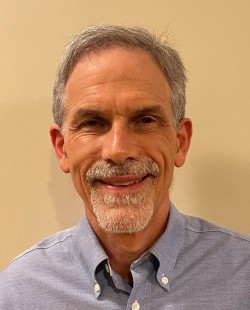 |
Michael Moore (d. May 11, 2025)
On May 11, 2025, Michael Moore—an environmental economist and professor at the University of Michigan—unexpectedly passed away. Michael was loved by many in this profession. He was a caring mentor, a kind friend, and a supportive colleague. He was always patient and thoughtful. He was gentle in offering wisdom. He brought genuine warmth to every interaction. Michael also made important contributions to the field of environmental economics, including in water resource economics, climate change agreements and adaptation, hedonic valuation, green products and consumer preferences, and renewable energy.
Submitted by Alecia Cassidy
|
|